
Written by: Sol, a local car wrecking business operator.
About the author: Sol is a NZ-based car wrecker and the owner of a local auto recycling business with over 12 years of hands-on experience in buying, dismantling, and valuing vehicles across New Zealand. He’s passionate about helping Kiwis get fair, transparent offers for their unwanted cars while promoting responsible car recycling.
Summary
Selling your car for parts can be worthwhile if it still has good components that people actually want but the value of those parts is only half the equation.
I’ve spent more than 12 years buying, dismantling and valuing vehicles in New Zealand. In my experience, the better question is: will the money you make from the parts justify the time, storage, dismantling and leftover car you still have to deal with?
Before pulling anything apart, I’d look at the points below.
When Is a Car Worth Selling for Parts?
Parting out a car makes more sense when several usable components are still in good condition and there is genuine demand for that make and model. It also helps if you have:
- the right tools and knowledge
- somewhere suitable to dismantle and store the car
- time to deal with individual buyers
- a plan for the shell and unwanted parts afterwards
Which Car Parts May Be Worth Selling?
From a dismantler’s point of view, some of the first components worth assessing are the engine, gearbox, catalytic converter, ECU, alloy wheels, lights, panels, alternator and starter motor.
But the part itself is only part of the story.
Its value depends on the make, model, year, condition and actual demand. A good gearbox from a model nobody is looking for can still be difficult to move. That’s why I wouldn’t add up online asking prices and assume that is what your car is worth in parts.
What Does Parting Out a Car Really Involve?
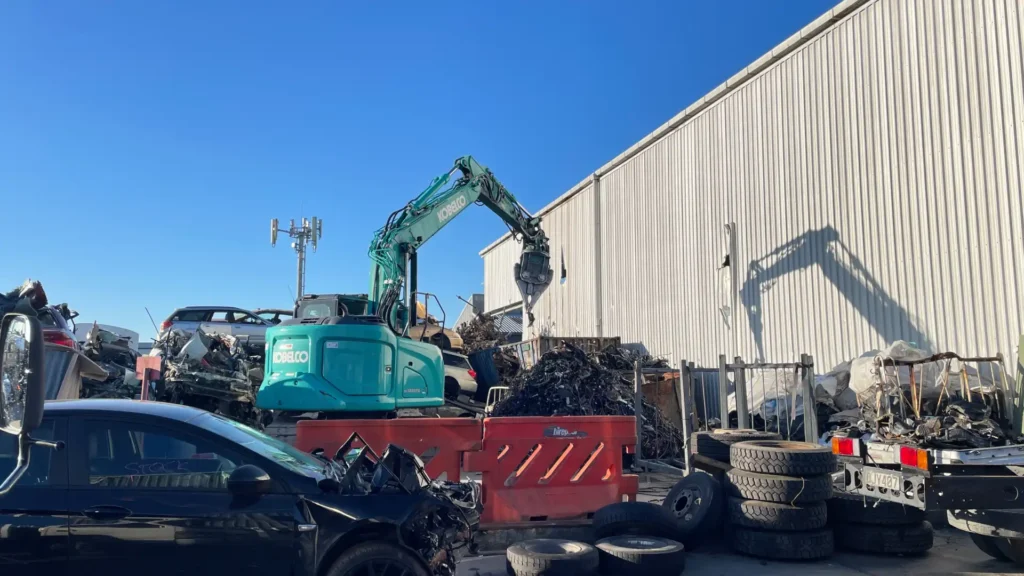
This is the bit people can underestimate. You need to remove parts without damaging them, store them, photograph and list them, answer buyers’ questions and arrange collection or freight. Some parts can sell quickly; others may sit around.
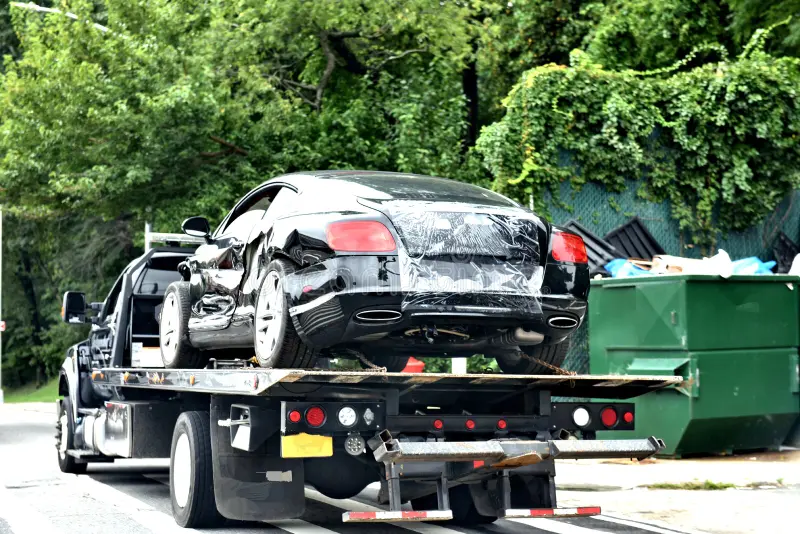
Then there is whatever is left of the car. Once the useful components have been removed, you still need to deal with the shell and anything nobody wanted. Removing major components can also reduce the value left in the complete vehicle.
So when you run the numbers, include your time, space and disposal work, not just what individual parts might sell for.
Be Careful With Oil and Automotive Fluids
Fluid handling is another practical part of dismantling that is easy to overlook.
Removing an engine, gearbox, radiator or other components can release engine oil, transmission fluid, coolant, fuel or other automotive fluids. From experience, this is something you want planned before you start, not after you’ve got fluid running across the driveway.
In New Zealand, contaminants must not be discharged into water, or onto land where they may enter water, unless the discharge is lawfully allowed. Waikato Regional Council also advises soaking up spills rather than washing them into stormwater drains.
Environmental breaches can lead to enforcement action and infringement fees, depending on what happened and which rules apply.
If you do not have a suitable place or equipment to manage fluids safely, factor that into whether dismantling the car yourself is really worth it.
Should I Sell the Parts, Keep the Car Whole or Scrap It
| Situation | Option worth considering |
|---|---|
| Several good components with clear demand | Selling parts individually |
| Car is still largely complete | Compare its whole-car value first |
| Major components are unusable and little remains worth recovering | Scrapping may be an option |
| No tools, storage or time for dismantling | Keeping it whole may be more practical |
Selling a Car for Parts: Quick Questions
How much can I sell my car for parts?
There is no standard amount. It depends on the vehicle, condition of its usable components, demand for those parts and what remains after they are removed.
Can I sell only some parts from my car?
Yes, but think about how removing those components affects what you can do with the remaining vehicle.
Do I need somewhere to store the car?
If you are dismantling it over time, you will normally need suitable space for both the vehicle and the parts you remove.
Is it better to part out the car or leave it whole?
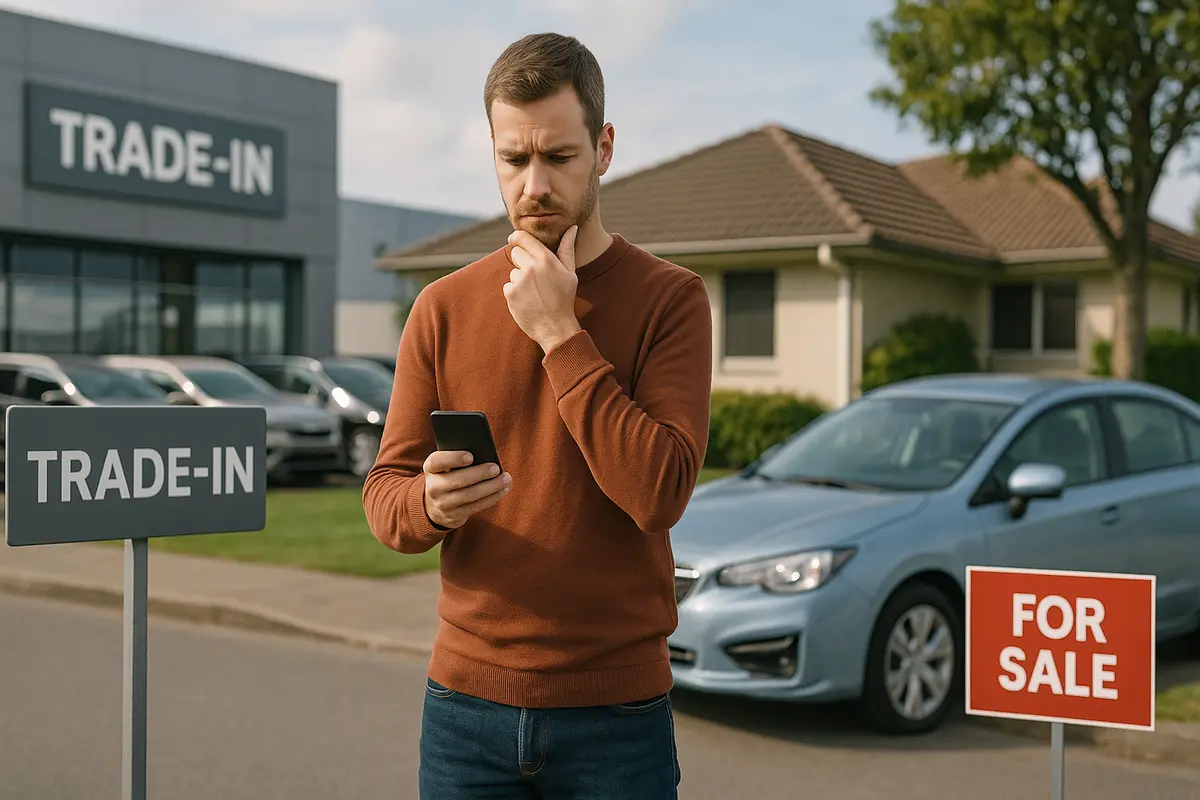
If the parts have strong demand and you have the time, tools and space, parting out may stack up. Otherwise, check what the complete car is worth before dismantling it.
Before You Start Pulling It Apart
My advice is to work out three things first: which parts genuinely have buyers, what the complete car is worth now, and what dismantling will actually involve.
Once major parts are removed, it can be difficult to change course.
If you want another number to compare before making that decision, you can request a whole-vehicle quote while the car is still complete.