
Sell an End-of-Life Vehicle in NZ
An end-of-life vehicle (ELV) is a one that has reached the end of its useful life for its current owner. This may be because of its age, condition, ongoing repair needs or because keeping it in service no longer makes practical sense.

What Is an End-of-Life Vehicle?
An end-of-life vehicle is a vehicle that is no longer intended to remain in normal use. The term describes the stage the vehicle has reached rather than one particular mechanical fault. An end-of-life car may be:
- Nearing the end of its useful road life
- Becoming increasingly impractical to maintain
- No longer economical for its owner to keep
- No longer suitable for the owner’s needs
- A vehicle the owner has decided not to continue using
When Does a Car Reach the End of Its Life?
There is no fixed point that applies to every vehicle. A car may be approaching the end of its useful life when the cost, condition and effort involved in keeping it no longer make sense to the owner. Useful questions to consider include:
- Do you still intend to keep using the vehicle?
- Is its condition continuing to decline?
- Are repairs becoming difficult to justify?
- Is the vehicle still practical for what you need?
- Would you rather sell it than continue maintaining it?

Can You Sell an End-of-Life Car?
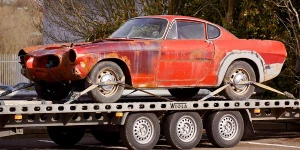
Yes. Reaching the end of a vehicle’s useful life for you does not necessarily mean the vehicle has no value. If you are ready to sell an end-of-life car, provide accurate information about the vehicle so it can be assessed in its current condition. Useful details include the:
- Rego or VIN number
- Kilometres, if known
- Current condition
- Known issues
Cash For Car NZ can use the vehicle details you provide when considering an offer. For the full selling process and your vehicle-selling options, see Sell My Car in NZ.
End-of-Life Car or Simply an Older Car?
An older car and an end-of-life car are not necessarily the same thing. An older vehicle may still be useful, suitable to drive and worth keeping.
An end-of-life vehicle has reached a point where its owner has decided that continuing to keep it in normal use no longer makes sense.
That distinction matters because the term end-of-life describes the vehicle’s stage of use, not simply its age.


What Should You Do With an End-of-Life Vehicle?
Start by deciding whether you still want to keep the vehicle. If maintaining it remains worthwhile, continuing to use or repair it may still be an option. If you no longer want to keep it, selling the vehicle is another option.
Before requesting an offer, gather the basic vehicle details and describe its current condition accurately. This gives the buyer clearer information about the vehicle being assessed.
If selling is the next step, continue to our Sell My Car in NZ service page.
End-of-Life Vehicle FAQs
What does end-of-life vehicle mean?
An end-of-life vehicle is a vehicle that has reached the end of its useful life for its current owner and is no longer intended to remain in normal use.
Is there a fixed age for an end-of-life car?
No single age applies to every vehicle. Age may contribute, but the vehicle’s condition, repair needs, usefulness and the owner’s circumstances also matter.
Is every old car an end-of-life vehicle?
No. An older vehicle may still be useful and worth keeping. An end-of-life car is one that has reached the point where continuing to keep it in normal use no longer makes sense for its owner.
Can an end-of-life vehicle still be sold?
Yes. If you have decided not to keep the vehicle, you can explore selling it. Provide accurate vehicle and condition details when requesting an offer.
How do I sell an end-of-life car?
Gather the vehicle’s basic details and condition information first. You can then review the steps and request an offer through our Sell My Car in NZ page.