Written by: Kevin, an expert tow truck driver and car removal specialist.
About the author: Kevin is a car removal expert with over 12 years of experience traveling across New Zealand, negotiating and buying cars of all sorts and conditions. From wrecked utes in Waikato to non-runners in BoP, Kevin has mastered the art of fair deals and quick pickups, helping Kiwis turn their unwanted vehicles into cash.
Summary
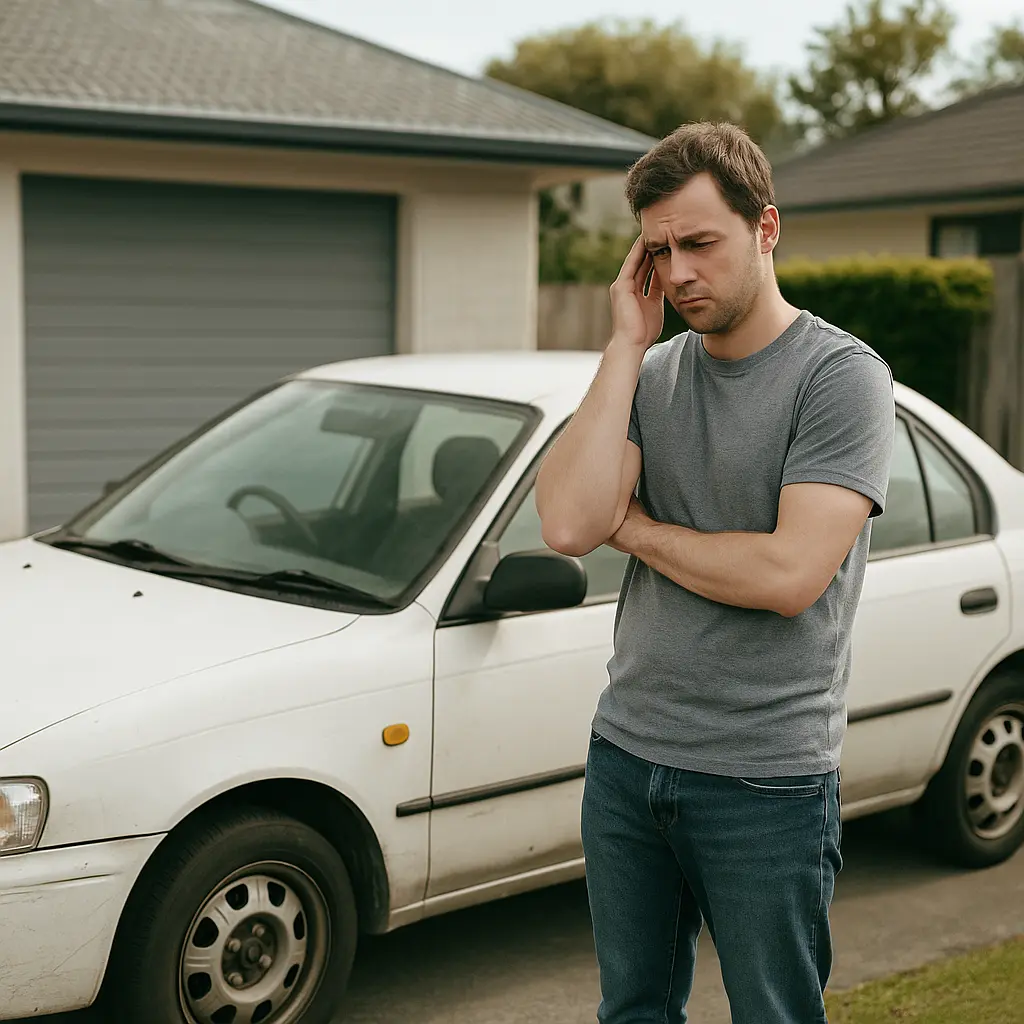
If your vehicle has a blown engine, seized motor, gearbox failure, or transmission problems, you can still sell it in NZ, often the same day – without fixing it first.
In most cases, the “best” route depends on three things: what it’s worth as-is, what repairs would really cost, and how quickly you want it gone (driveway, workplace, farm, wherever it’s parked).
Practical rule of thumb: if the repair quote makes you say “yeah… nah”, selling as-is is usually the smarter play.
Can you sell a car with a blown or seized engine in NZ?
Yep. A vehicle doesn’t need to be running to be valuable.
As buyers, we purchase cars, vans, utes, 4x4s, SUVs, trucks, trailers, tractors (and most other vehicle types) in “as-is” condition, including:
- Blown engine (thrown a rod, no compression, won’t start)
- Seized engine (locked up, won’t turn over)
- Major mechanical faults (overheating, coolant/oil mixing, severe knocking)
- Gearbox failure / transmission issues (slipping, stuck in gear, won’t shift, CVT problems)
- No WOF / expired REGO / deregistered
- Accident, flood, vandalism, cosmetic damage, rust, or just plain old and tired
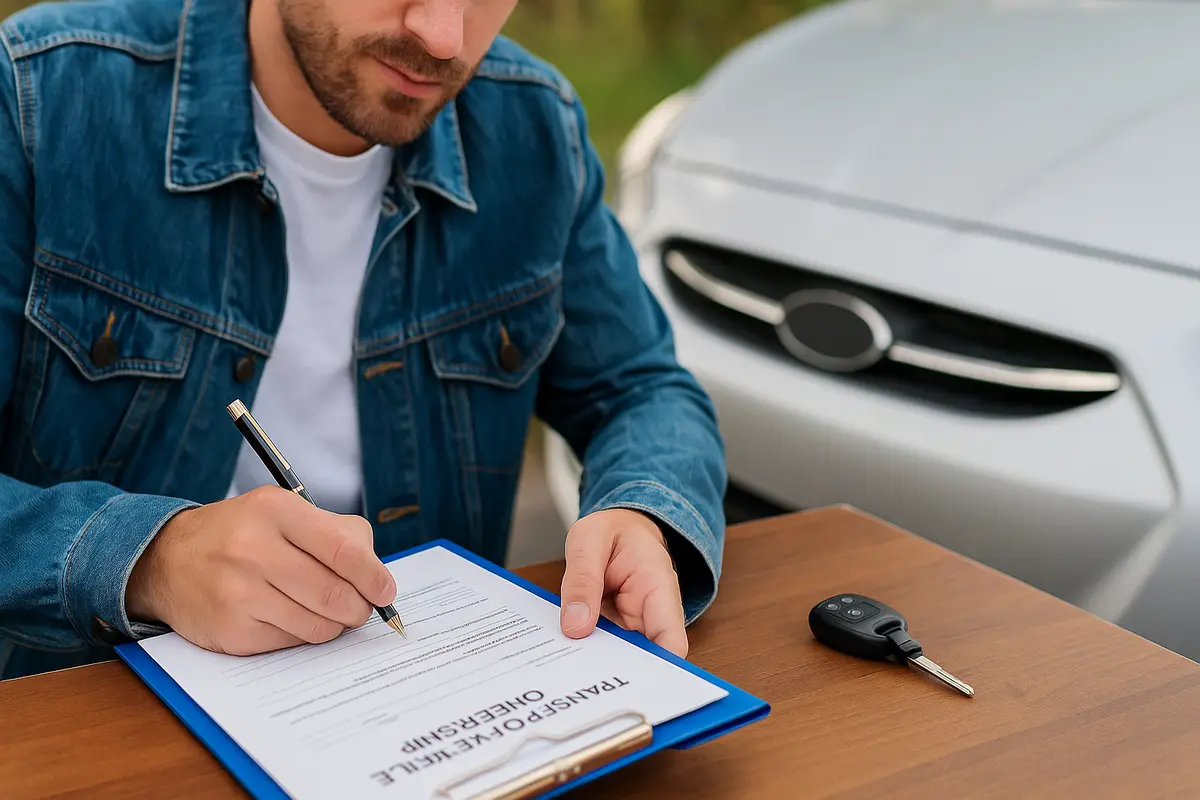
If it’s sitting there taking up space, it can usually be removed and sold legally, you just want to make sure the ownership side is tidy (more on that below).

Signs you might be dealing with a “major mechanical fault”
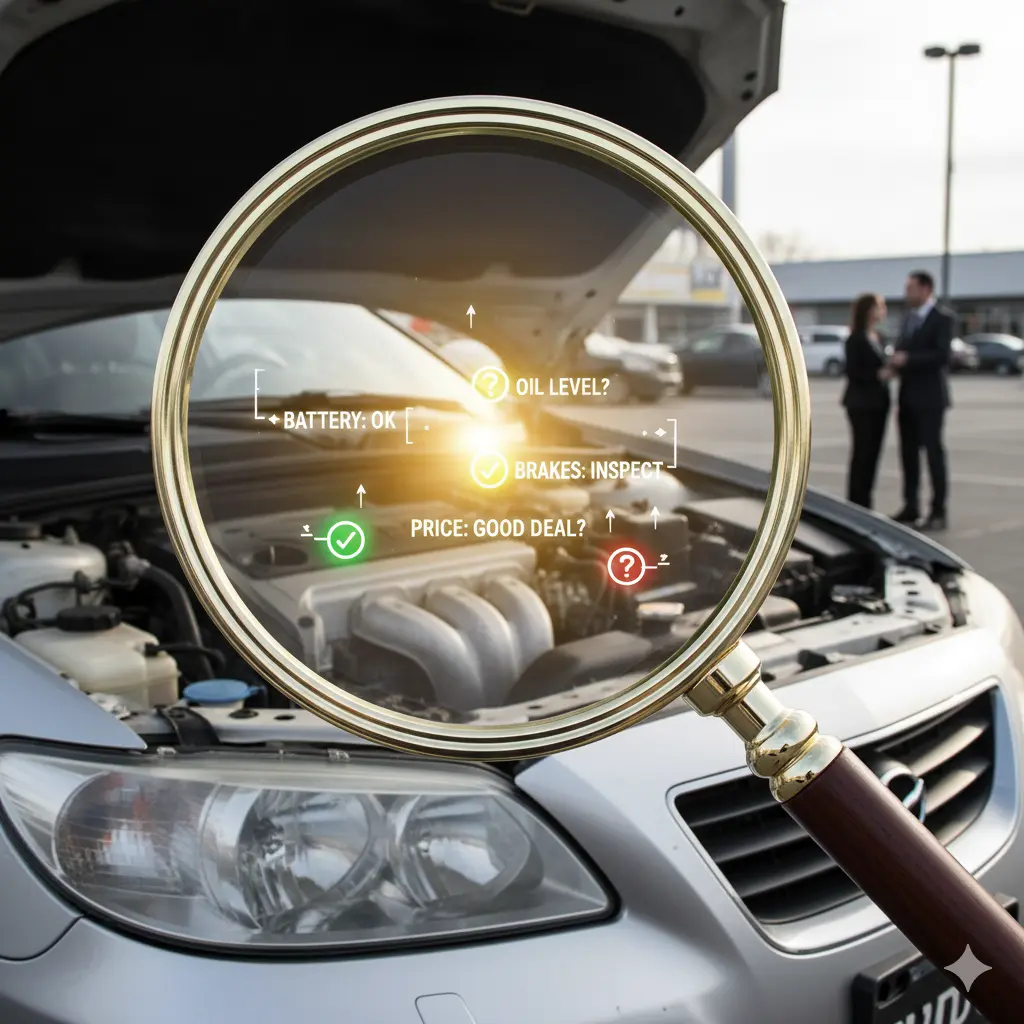
Not everyone gets a neat diagnosis like “blown engine” on a invoice. These are the common “uh-oh” signs we hear every week:
Engine trouble (blown / failing / seized)
- Heavy knocking or metallic tapping
- Overheating (even after topping up coolant)
- White smoke (coolant burning), blue smoke (oil burning), or thick black smoke
- “Milkshake” oil / oil and coolant mixing (often head gasket/cylinder head issues)
- Won’t crank, or cranks but won’t start
Transmission / gearbox trouble
- Slipping gears, shuddering, or delayed engagement (Drive/Reverse lag)
- Won’t select certain gears, stuck in one gear, or grinding noises
- Warning lights + limp mode
- Leaks underneath (transmission fluid) and burning smell
If your vehicle shows a few of these at once, it’s usually in the “major mechanical faults” category, and buyers will value it as an as-is vehicle, not as a tidy daily driver.
As a vehicle buyer, here’s how we actually value a non-runner or mechanically damaged vehicle in NZ:
1) Make/model demand (even broken ones)
Popular utes, 4x4s, Japanese hatchbacks, certain Euro models, and commercial vans can still have strong demand for parts or rebuilds.
2) What’s still good on the vehicle
Panels, interior, wheels/tyres, catalytic converter (where relevant), drivetrain components, electronics, doors, tailgates, trays, canopies, etc.
3) Condition + completeness
A straight body with a dead engine is often worth more than a running vehicle that’s been heavily damaged or incomplete.
4) Location + pickup reality
If it needs towing (most blown/seized/transmission-failed vehicles do), logistics matter, but reputable buyers factor that in upfront so you’re not mucked around.
A simple decision check:
If the repair estimate (engine replacement, rebuild, gearbox swap, CVT replacement) is close to or more than the vehicle’s value when fixed, selling as-is usually wins.
Your options (and the honest pros/cons)
When you’re thinking “should I fix it or sell it?”, these are your realistic paths:
- Repair it: Works best when the car is newer, you know its history, and the numbers stack up. Risk: surprise costs.
- Private sale (disclose the fault): Sometimes higher price, but expect time-wasters, lowballers, and people who vanish after “is this still available?”
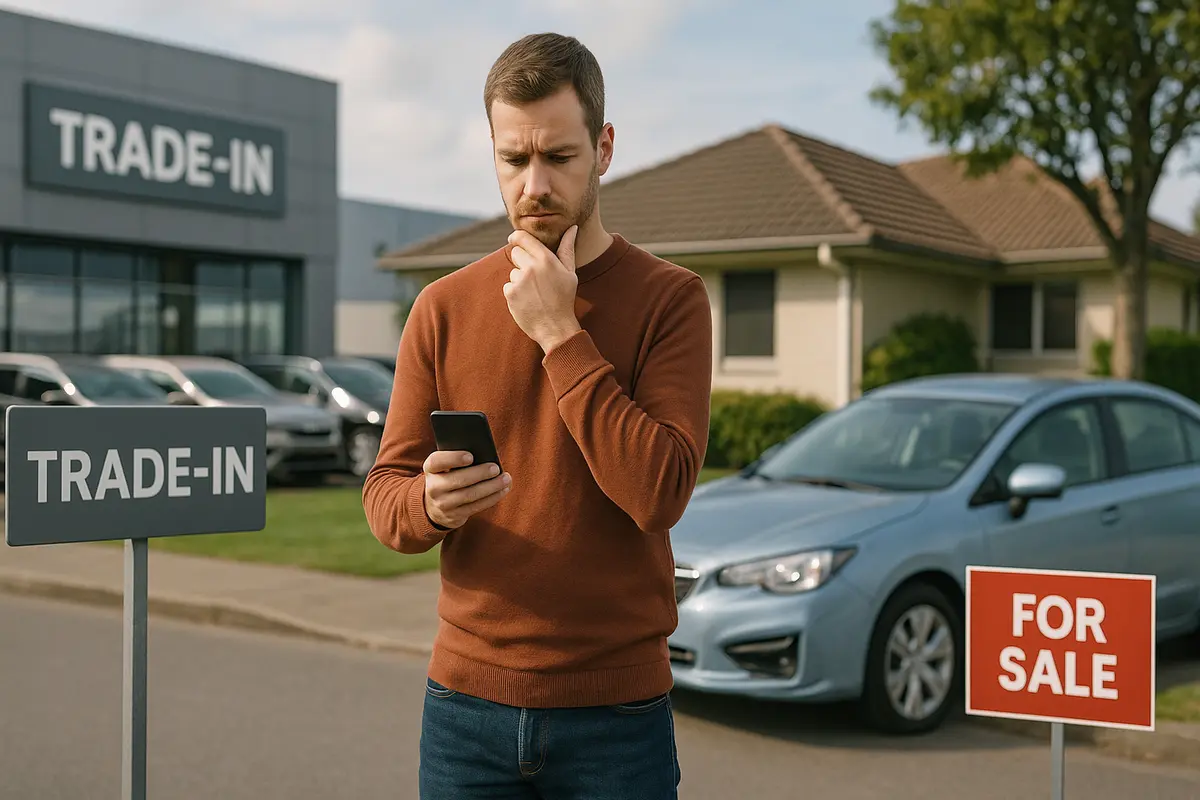
- Trade-in: Convenient, but the offer can be harsh for major mechanical issues.
- Sell as-is to a vehicle buyer/wrecker: Fastest and simplest for blown engines, seized motors, transmission problems, gearbox failure, no WOF/rego, or non-runners.
If your goal is quick removal + fair as-is value, the last option is usually the least stressful.
How selling a broken/non-running vehicle works (NZ-friendly, no drama)
If you sell to a dedicated buyer, the process should be straightforward:
1. Tell us what it is + what’s wrong
Make/model/year, location, and the issue (blown engine / seized engine / transmission problems / gearbox failure / won’t start).
2. Get an as-is offer (no obligation)
A proper offer should reflect the vehicle type (including utes, vans, trucks, trailers, tractors) and condition.
3. Choose pickup time (often same day)
Pickup from your driveway, workplace, yard, rural property – wherever it’s parked.
4. Payment + paperwork at pickup
You get paid, the vehicle is collected, and you can get on with your week.
FAQs:
Where can I sell my car with a blown engine in NZ?
You can sell it privately (with full disclosure), trade it, or sell as-is to a vehicle buyer who purchases non-runners and arranges towing.
Can I sell a car with transmission problems or gearbox failure if it won’t drive?
Yes, many vehicles with broken transmissions, slipping gearboxes, or CVT failure are sold as non-runners and collected by tow.
How much is a car worth with a seized engine?
It depends on the model, demand for parts, body condition, and completeness. A seized engine usually means “as-is value”, not “running value”.
Do you buy vehicles with no WOF or expired REGO?
Yes, no WOF/rego/deregistered is common for older or broken vehicles. (Just make sure ownership details are correct.)
What if it’s not a car (ute/van/truck/trailer/tractor)?
Same deal. Many buyers purchase commercial vans, utes, 4x4s, light trucks, trailers, and tractors in any condition.
If you simply want the vehicle gone without the run-around: we can pick up the same day and pay up to $12,000 for vehicles in any condition (cars, vans, utes, 4x4s, trucks, trailers, tractors, and more) – without being forced into expensive repairs first.