
Legal Requirements for Sellers
Selling a car in NZ privately comes with a few responsibilities beyond agreeing on a price and handing over the keys.
As the seller, you need to notify NZTA when the vehicle is sold, check its WoF, rego and RUC position where relevant, be clear about what you are selling, and keep a record of the deal. If the vehicle has finance owing or is deregistered, there are extra things to sort out.
The following article covers the main private car sale requirements in NZ.
Legal Requirements When Selling a Car in NZ
Before completing a private vehicle sale, check these points:
- Tell NZTA you have sold the vehicle as soon as the sale happens.
- Check whether the vehicle meets the applicable WoF or CoF requirements.
- Check whether rego fees or RUC are outstanding.
- Make sure you have the right to sell the vehicle.
- Be accurate about the vehicle when describing its condition, history or faults.
- Keep a written record of the sale, especially where you and the buyer agree to different WoF or RUC arrangements.
Both buyer and seller have their own NZTA notification responsibilities. NZTA recommends completing the seller notification at the time of sale rather than assuming the buyer will sort everything.
Can You Sell a Car Without a WoF in NZ?
Yes, but there are rules around it.
Unless you and the buyer agree otherwise, a light vehicle that requires a WoF should have a WoF issued less than one month before the sale. Heavy vehicles requiring a WoF need a current WoF, and vehicles requiring a CoF need a current CoF.
If the buyer agrees to take the vehicle under different terms, NZTA recommends putting that agreement in writing.
The same idea applies to Road User Charges. If the vehicle requires RUC, it should generally have a current distance licence unless you and the buyer agree otherwise.
If the rego is overdue, the seller can remain responsible for licensing fees owing up to the date NZTA is told the vehicle has been sold.
So if someone searches “can I sell a car without a WoF in NZ?”, the short answer is yes, but make the vehicle’s status clear and record any different agreement properly.
What Paperwork Do You Need When Selling a Car in NZ?
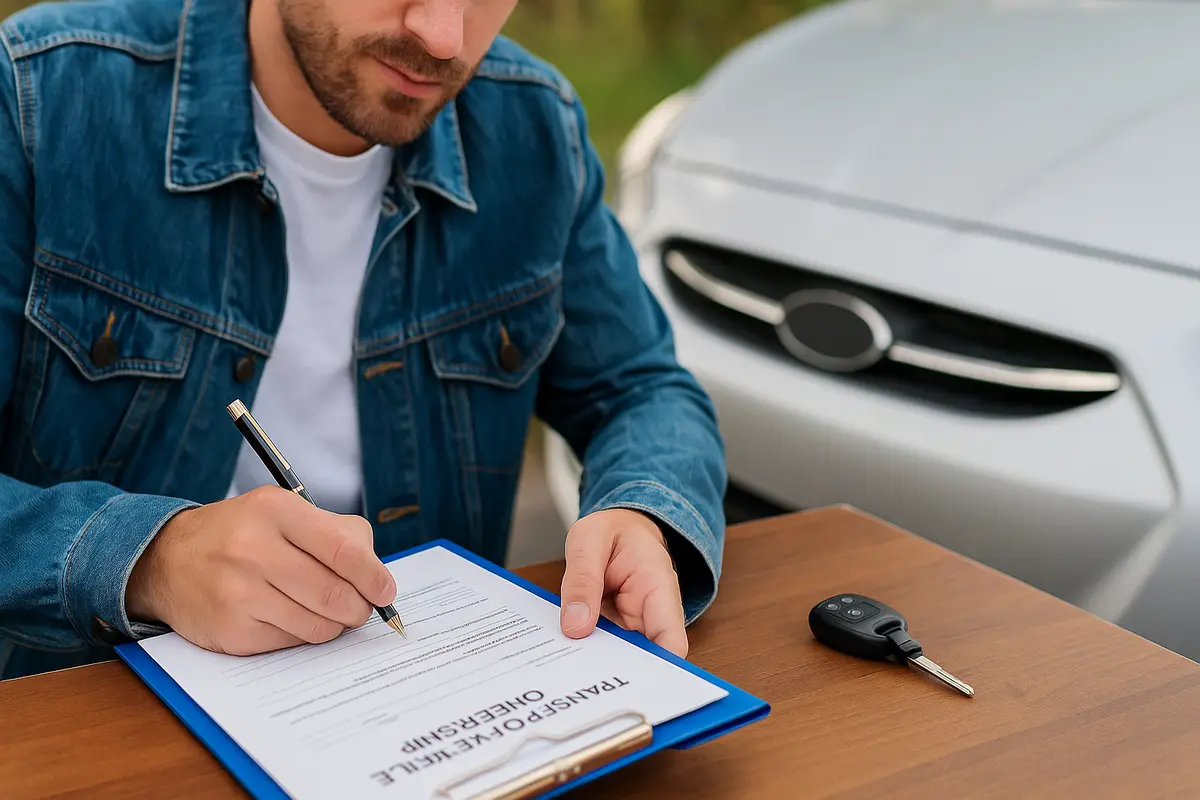
The paperwork for selling a car in NZ does not need to become a massive pile of forms, but keeping proof of the transaction is smart.
A simple private car sale record can include:
- seller and buyer names
- contact details
- vehicle make, model and registration plate
- VIN where available
- odometer reading
- sale price
- date and time of sale
- payment method
- WoF, rego and RUC status
- any faults or conditions agreed between buyer and seller
- signatures from both parties
Keep your own copy after the car leaves.
A written agreement is particularly useful if the buyer has agreed to accept different WoF or RUC conditions. NZTA specifically recommends recording those agreements in writing.
What Should You Tell the Buyer About the Car?
Private sellers do not have the same legal obligations as motor vehicle dealers, but that does not mean you should make claims that are inaccurate.
If you describe the vehicle, make sure that description stacks up. Avoid saying things such as “no mechanical problems” or “never been damaged” unless you genuinely know that to be true.
Private car sales are generally not covered by the Consumer Guarantees Act or Fair Trading Act. However, buyers may still have remedies under the Contract and Commercial Law Act in situations such as being misled, receiving something that does not match its description, or where the seller did not have the right to sell it.
The same caution applies to an “as is, where is” car sale. Using that phrase does not simply wipe away transport-law requirements or every other legal responsibility attached to the sale.
What Does the Seller Need to Do With NZTA?
Once the vehicle is sold, tell NZTA straight away.
NZTA records the registered person responsible for the vehicle. This is commonly called an ownership change, although NZTA makes it clear that the Motor Vehicle Register does not determine legal ownership.
If you do not notify NZTA, you could end up dealing with fees, tolls or infringements connected with the vehicle after it has left your hands.
For the full seller and buyer process, forms and online steps, see our Change Car Ownership NZ guide.
Deregistered or unregistered vehicle
If the vehicle has been deregistered or is no longer road legal, the process is different from selling a normal registered vehicle.
See Sell Deregistered Vehicles in NZ for that situation.
If the question is simply what the vehicle is worth before you sell, use our NZ car pricing guide instead.
FAQs About Selling a Car in NZ
Do I have to tell NZTA when I sell my car?
Yes. The seller must notify NZTA when the vehicle is sold or disposed of. The buyer has a separate obligation to notify NZTA that they have acquired it.
Do I need a sale agreement when selling a car privately?
Keeping a written record is strongly recommended. It gives both parties evidence of what was sold, the price, vehicle condition and any special terms agreed.
Can I sell my car “as is, where is”?
You can agree to an “as is, where is” sale, but the wording does not automatically remove legal requirements applying to the transaction.
Am I responsible for the car after I sell it?
Notify NZTA immediately. Until its records are updated, you risk being contacted about fees or infringements associated with the vehicle.
What if I just want an easier way to sell my car?
If you are comparing a private sale with selling directly to a vehicle buyer, visit our Sell My Car NZ page for the service option rather than the legal process.
Bottom line: when selling a car in NZ, get the vehicle status clear, keep a record of what was agreed, be accurate about what you are selling, and notify NZTA as soon as the vehicle changes hands.