
Last updated: August 2026
Reviewed by: Sol, Cash For Car NZ
Summary
How To Price Your Car
Start with several genuinely comparable vehicles, not the dearest listing you can find. Match the model, year, engine, transmission, kilometres and condition. Then adjust for WoF and rego status, service history, faults, damage and repair costs.
Next, set 3 figures: your asking price, likely sale price and lowest acceptable price. Finally, compare your estimate with an independent valuation and a direct vehicle-buyer quote.
This guide is for owners pricing an everyday used car. It is not a formal valuation for rare, collectible or heavily modified vehicles.
How to Find a Realistic Market Range
A realistic price sits where the current market and your car’s actual condition meet. Therefore, one listing or one online estimate should not set the whole price.
Use three checks:
- Current listings for closely matched vehicles
- An independent vehicle valuation
- A condition adjustment for your specific car
For an independent starting point, try our free online quote or an Online Vehicle Valuation tool like.
However, online tools are only starting points. Fresh damage, warning lights, worn tyres or missing service records can change what a buyer may pay.
When comparing listings, match the make, model, generation, year, engine, transmission, body style and trim. Also compare kilometres, condition, service history, WoF, rego and location.
Next, ignore obvious outliers at the top and bottom. Instead, find the range where most closely matched vehicles sit. Remember, advertised prices are asking prices, not confirmed sale prices.
I recommend getting a few quotations from:
What Makes Your Car Worth More or Less?
Make, model, age and kilometres matter. However, buyers also consider what the car may cost after purchase.
A tidy vehicle with useful service records and good tyres may support a stronger price. These issues can reduce what buyers are prepared to offer:
- Warning lights
- Engine, cooling or gearbox problems
- Accident damage or rust
- Worn tyres or brakes
- Missing keys or parts
- No current WoF or registration
- Poorly documented modifications
- An untidy interior
Be straight about known problems. Accurate details help serious buyers assess the car and reduce wasted viewings.
For disclosure and paperwork requirements, read our guide to legal obligations when selling a car in NZ.
Set 3 Prices Before You Advertise
Instead of choosing 1 figure, set 3:
Asking price:
The amount shown in your advertisement. It can include a little room for normal negotiation.
Likely sale price:
The amount you realistically expect after comparing similar vehicles and adjusting for condition.
Minimum acceptable price:
The lowest amount you are genuinely prepared to accept.
Comparable market range
– repairs and condition issues
+ genuine advantages
= likely sale price
Then add a modest negotiation margin. However, avoid a large buffer because it may put genuine buyers off before they contact you.
Should You Repair the Car Before Selling?
Small jobs can improve presentation. However, major repairs do not always return their full cost.
Cleaning the car and gathering service records can make it easier to assess. In contrast, an engine replacement, gearbox repair or major panel work may cost more than the extra value created.
Before approving repairs, compare:
- The repair quote
- The car’s likely value as it sits
- The likely value after repair
- The time needed for the work
- The risk of finding further faults
If the numbers do not stack up, selling as-is may be the better call. For an old, damaged or non-running vehicle, use our scrap car value guide.
Private-Sale, Trade-In and Car-Buyer Prices Are Different
These figures differ because each option involves different work, time and risk.
A private-sale price may be higher for a tidy, roadworthy vehicle. However, you handle the listing, messages, viewings, test drives and negotiation.
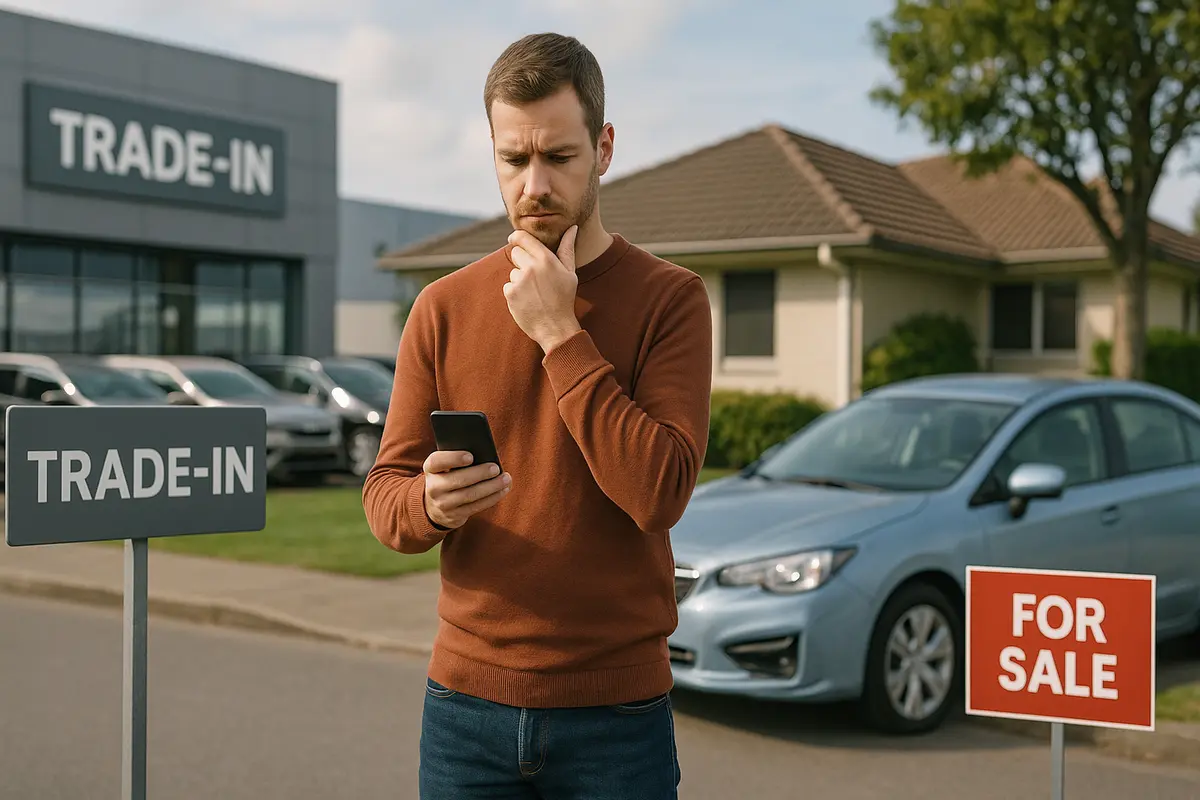
A trade-in can be handy when buying another vehicle. Still, the dealer needs room for preparation and resale.
A direct vehicle-buyer offer focuses on a quicker sale. Cash For Car NZ assesses the vehicle and can arrange pickup after an offer is accepted. This option may suit unwanted, damaged or non-running vehicles.
Read our comparison of selling privately, trading in or using a car buyer before deciding which figure matters most.
When Should You Review the Asking Price?
Do not drop the price after one casual message. Instead, look at the quality of the response. Review the price when:
- The listing gets views but no serious enquiries
- Similar vehicles appear to offer better value
- Buyers repeatedly mention the same issue
- Interest appears only after large discounts
- Your car sits outside the main comparable range
First, check the photos and description. Then recheck comparable listings and adjust only when the evidence supports it.
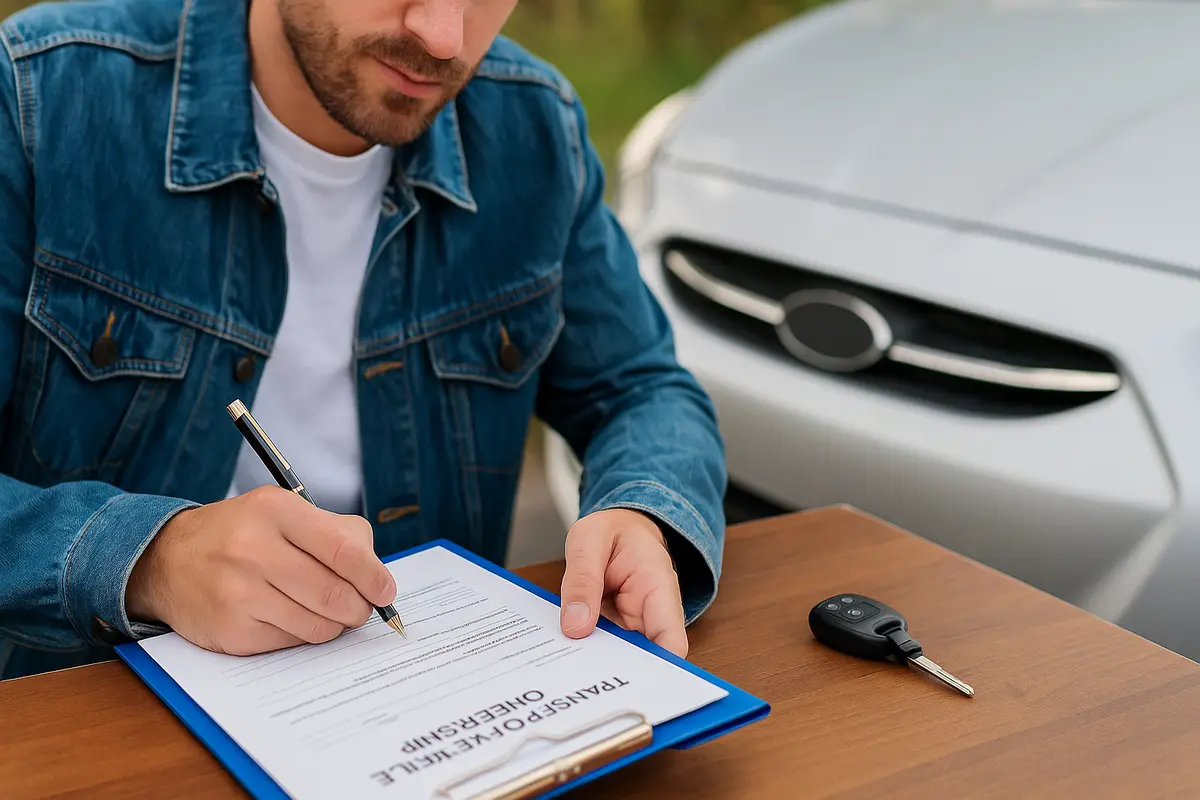
Once you agree on a sale, follow the correct paperwork process. See how to change the registered person with NZTA.
Car Pricing FAQs
How much should I sell my car for?
Start with closely matched listings. Then adjust for kilometres, condition, service history, faults, WoF, rego and likely repair costs.
Should I leave room for negotiation?
A small margin can be reasonable. However, a large buffer may push the vehicle outside the market range.
Do online listings show actual sale prices?
Usually, they show asking prices. Therefore, use several comparable listings as a range rather than proof of the final sale value.
Does high mileage automatically make a car cheap?
No. Kilometres matter alongside age, model, maintenance and condition.
What if my car is damaged or does not run?
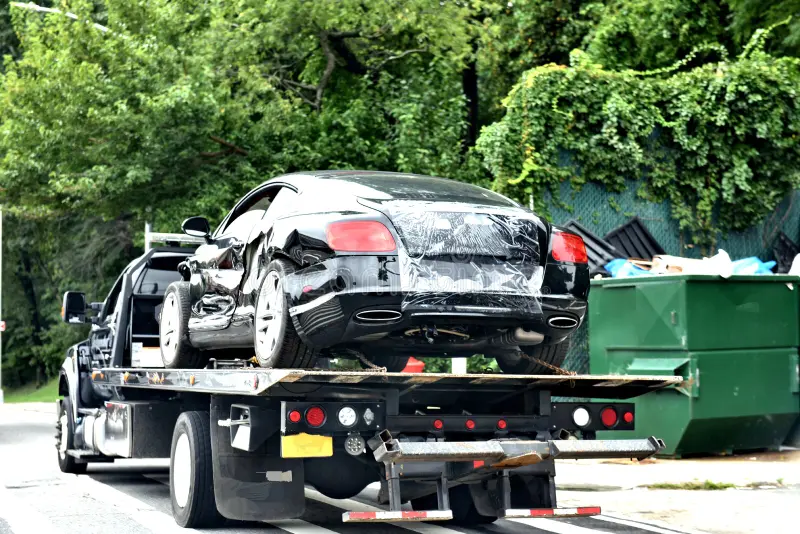
Standard comparisons may be less useful. Compare repair costs with the likely repaired value, then consider an as-is quote.
Before you decide: No single website or formula can value every vehicle perfectly. Therefore, use comparable listings, an independent valuation and an honest condition check together.
If you are comparing a private asking price with a faster direct sale, request a no-obligation offer from Cash For Car NZ. That gives you another real figure before you make the call.